 111
111 2
2 3
3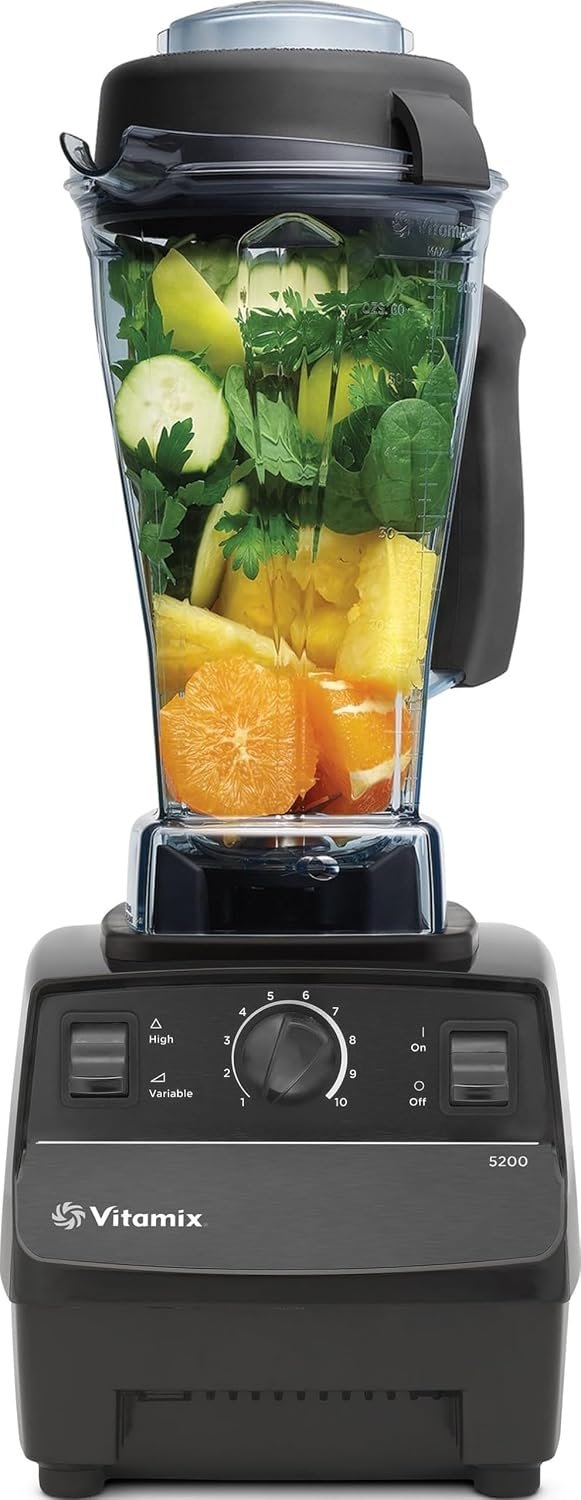
Blenders are one of the most frequently used appliances in home kitchens, yet not all blenders are built to handle the same range of tasks. While entry-level models are often designed for basic tasks like crushing ice or blending simple smoothies, professional-grade blenders are engineered to handle tougher ingredients, longer usage periods, and a wider variety of textures. The Vitamix 5200 Blender is one such example of a higher-performance appliance that has become a familiar name in kitchens that prioritize versatility and durability.
This article explores what the Vitamix 5200 offers, how it can be used in everyday cooking and food preparation, and what factors are worth considering before deciding whether it fits your kitchen needs.
The Vitamix 5200 is a countertop blender built with a 64-ounce container and stainless-steel blades designed to handle a wide range of blending tasks, from smooth beverages to thicker, more textured mixtures. It’s part of Vitamix’s line of professional-grade blenders, a category often associated with commercial kitchens, juice bars, and food service environments, though many home cooks also use this type of equipment for everyday meal preparation.
Unlike basic blenders that may struggle with fibrous vegetables, ice, or dense mixtures, this model is designed with a more powerful motor and specialized blade geometry intended to process a broader range of ingredients consistently.
At the core of this blender is a motor built for sustained, heavy-duty use. This allows it to handle tasks that might strain smaller household blenders, such as crushing ice, blending frozen fruit, or processing tougher vegetables and nuts.
The blades are designed with a shape and positioning intended to create a strong vortex within the container, pulling ingredients down toward the blades for more even blending. This design is often associated with achieving smoother textures in soups, sauces, and beverages.
The large container capacity makes this blender suitable for preparing bigger batches at once, which can be useful for families, meal prepping, or entertaining guests. It also allows for more headroom when blending hot liquids or bulkier ingredient combinations.
Rather than relying solely on preset buttons, this model typically includes a variable speed dial, allowing users to manually adjust blending speed depending on the texture they’re aiming for—from a light pulse to a high-speed blend.
One of the more practical features often associated with this type of blender is a self-cleaning capability, where adding water and a small amount of dish soap and running the blender on high speed for a short period can help clean the interior of the container without full disassembly.
Professional-grade blenders like this one are often built with heavier-duty materials intended to withstand frequent, long-term use, which can be a consideration for those who plan to use their blender daily or for extended periods at a time.
One of the most common uses for a high-powered blender is smoothie preparation. The motor and blade design are generally well suited for breaking down fibrous fruits and vegetables, frozen ingredients, and ice, resulting in a smoother consistency compared to standard blenders.
Some users take advantage of the blender’s power to make hot soups directly in the container, using the friction generated by high-speed blending to heat ingredients. This can be a convenient way to prepare pureed soups without necessarily using a stovetop, though it’s worth reviewing manufacturer guidance on blending hot liquids safely.
Because of its motor strength, this type of blender is often used to process nuts into smooth or chunky nut butters, offering an alternative to store-bought spreads for those who prefer to control ingredients and texture.
The blender’s ability to handle frozen ingredients makes it a useful tool for preparing frozen desserts, such as fruit-based sorbets or simple ice cream bases, particularly when combined with frozen fruit or ice.
Some users incorporate this blender into baking preparation, using it to mix batters for pancakes, muffins, or other baked goods, particularly when a smoother, more uniform batter is desired.
The blending power can also be applied to create smoother sauces, hummus, salad dressings, and dips, particularly when a finer, more consistent texture is preferred over what a food processor might produce.
Those who regularly prepare smoothies, juices, or plant-based meals may appreciate a blender capable of consistently processing fibrous greens, frozen fruit, and other whole-food ingredients.
Because this blender can be used for a wide range of tasks beyond basic blending, it may appeal to those who want to consolidate multiple kitchen tools into one multi-functional appliance.
The larger container capacity may be useful for households that prepare food in bigger batches, whether for family meals, weekly meal prep, or entertaining.
Individuals focused on preparing meals from whole, unprocessed ingredients—such as homemade nut butters, soups, or plant-based milks—may find the blender’s power beneficial for achieving smoother, more consistent results.
Because professional-grade blenders are often built with durability in mind, this type of appliance may suit those looking for equipment intended to last through frequent, long-term use rather than occasional light blending.
Given its size, particularly with the 64-ounce container, this blender requires a reasonable amount of counter or storage space. It’s worth considering kitchen layout and available space before purchasing.
High-powered blenders, including this model, can generate more noise during operation compared to smaller, lower-wattage blenders. This is a common characteristic of motors designed for heavy-duty blending tasks.
Because this model often includes manual variable speed control rather than fully automated presets, there may be a slight learning curve in understanding which speeds work best for different ingredients and desired textures.
It’s worth noting the specific container material, as some models use plastic containers while others may offer glass or alternative materials. Understanding the container’s composition can be relevant for those with specific preferences regarding food-contact materials.
Professional-grade blenders are generally positioned at a higher investment level compared to basic household blenders. Prospective buyers may want to weigh their blending needs and frequency of use against the overall cost of a higher-performance appliance.
While the self-cleaning function can simplify regular maintenance, understanding proper care practices—such as avoiding certain abrasive cleaning methods—can help maintain the blender’s performance and blade condition over time.
When looking at blenders as a broader category, there are generally a few tiers worth understanding:
Basic Household Blenders are typically designed for light, occasional use, such as blending smoothies or crushing ice for beverages. These tend to be more compact and budget-friendly but may struggle with tougher ingredients or heavy, frequent use.
Mid-Range Blenders often bridge the gap between basic and professional models, offering more power and additional features like preset functions, while still remaining relatively accessible in terms of size and cost.
Professional-Grade Blenders, such as the Vitamix 5200, are built with more powerful motors and durable components intended for frequent or heavy-duty use, often making them suitable for both home and commercial-style applications.
The right category ultimately depends on how often a blender will be used, what types of ingredients are regularly processed, and how much counter space and budget a household is willing to allocate toward this particular appliance.
Can this blender crush ice effectively? High-powered blenders like this one are generally designed to handle ice crushing as part of their broader range of blending capabilities, making them suitable for frozen beverages and smoothies.
Is it possible to make hot soup in this blender? Some users utilize the blending friction generated at high speeds to heat soups directly in the container. It’s recommended to review manufacturer guidance regarding blending hot liquids to ensure safe usage.
How does the self-cleaning feature work? Typically, adding warm water and a small amount of dish soap, then running the blender on a high setting for a short period, can help clean the interior of the container. A more thorough manual cleaning may still be needed periodically.
Is this blender suitable for making nut butter? Yes, the motor power and blade design are often well-suited for processing nuts into nut butter, though this can require patience and periodic scraping down the sides of the container.
Does the size of the container affect performance? The 64-ounce capacity allows for larger batch preparation, but for smaller quantities, some users adjust their ingredient ratios or blending techniques to ensure proper contact with the blades.
Is prior blending experience necessary to use this model effectively? Not necessarily, though understanding how to use variable speed control and proper blending techniques can help achieve the best results, particularly for specific tasks like soup-making or nut butter preparation.
The Vitamix 5200 Blender represents a professional-grade option within the broader blender category, offering a combination of motor power, container capacity, and versatility intended for a wide range of kitchen tasks. From smoothies and soups to nut butters and frozen desserts, this type of blender is often chosen by those who value consistency, durability, and multi-functionality in a single appliance.
As with any kitchen investment, it’s worth considering factors like available counter space, frequency of use, and specific food preparation goals before deciding whether this blender aligns with your household’s needs. Taking time to understand its features and proper usage can help ensure it becomes a practical, long-term addition to your kitchen routine.