 111
111 2
2 3
3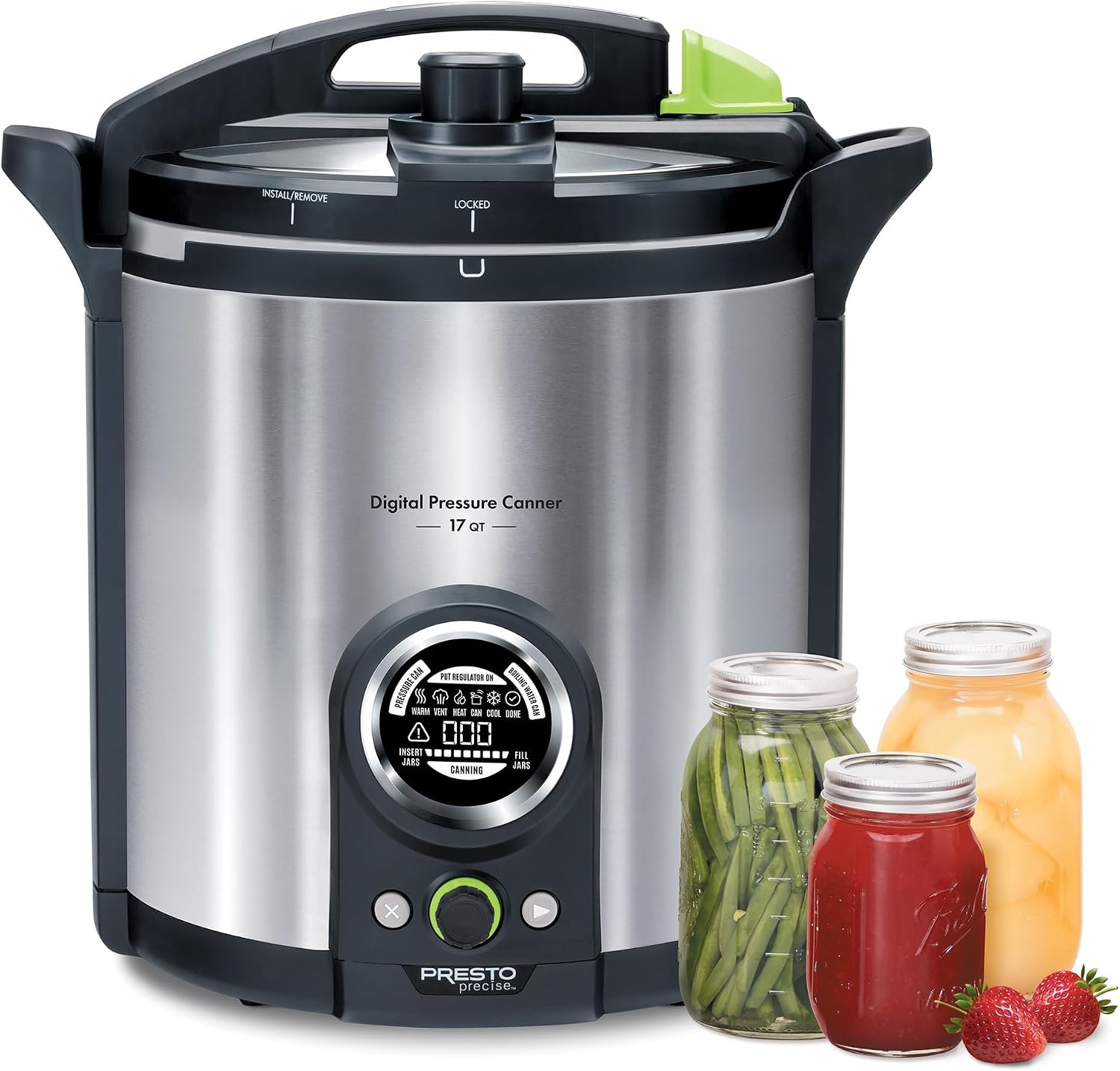
Home food preservation has seen a steady resurgence over the past decade, as more people look for ways to reduce food waste, stretch garden harvests, and take greater control over what ends up on their plates. Pressure canning, in particular, has become an essential skill for anyone who wants to safely store low-acid foods like meats, vegetables, soups, and stocks for long-term shelf storage. Among the various pressure canners available on the market, the Presto 02152 17-Quart Digital Pressure Canner has attracted attention for its combination of digital controls and traditional canning capacity.
This article takes a closer look at what this appliance offers, how it fits into a home kitchen or homesteading setup, and what factors are worth thinking about before deciding whether it’s the right tool for your food preservation goals.
The Presto 02152 is part of Presto’s long-standing line of canning equipment, a brand that has been associated with home canning for generations. Unlike traditional stovetop pressure canners that rely on manual gauges and constant monitoring, this particular model incorporates digital technology to help simplify the canning process. It features an electronic control panel that allows users to select cooking functions, monitor pressure levels, and track processing time without needing to hover over the stove or manually adjust a burner throughout the entire cycle.
With a 17-quart capacity, this canner is designed for those who process food in meaningful batches rather than small quantities. It’s built to accommodate standard canning jars, making it suitable for preserving a wide variety of low-acid foods that require pressure canning rather than simple water-bath canning.
One of the defining characteristics of this canner is its digital interface. Rather than relying solely on a dial gauge or weighted regulator that requires visual monitoring, the digital panel provides electronic feedback on pressure and time. This can make the canning process feel more approachable, particularly for people who are newer to pressure canning and may feel intimidated by the traditional stovetop method.
The canner is designed to maintain consistent pressure levels throughout the canning cycle. Because pressure canning requires precise and sustained pressure to safely process low-acid foods, having a system that helps regulate this automatically can reduce some of the guesswork involved in traditional methods.
This size allows for processing multiple jars in a single batch, which can be particularly useful during harvest season or when preparing large quantities of stock, beans, or meats for storage. The capacity is generally large enough to fit a reasonable number of quart-sized or pint-sized jars, depending on jar height and rack configuration.
Unlike stovetop pressure canners that depend on a compatible cooktop and burner size, this unit operates as a standalone electric appliance. This means it doesn’t require a specific stove type and can be used in kitchens, on countertops, or in other spaces where an electrical outlet is available.
Many digital pressure canners, including this one, often include multiple pre-set functions beyond just pressure canning, such as options for slow cooking or steaming, depending on the specific model configuration. This can add versatility for households that want a multi-purpose kitchen appliance rather than one designed solely for canning.
Digital pressure canners typically include several built-in safety features, such as pressure release indicators, locking lids, and automatic shut-off functions. These are designed to help reduce the risks associated with pressure cooking and canning, although users should always refer to the specific manual for details on how these safety systems function in this model.
For home gardeners, late summer and early fall often bring a surplus of vegetables that can be difficult to use up before they spoil. A pressure canner like this one allows gardeners to preserve vegetables such as green beans, carrots, corn, and potatoes for months of storage, reducing food waste and extending the usefulness of a harvest well beyond its growing season.
Because pressure canning reaches temperatures high enough to safely process low-acid foods, it opens the door to preserving meats, poultry, and fish at home. This can be particularly appealing to those who raise their own livestock, hunt, fish, or simply want to stock a pantry with shelf-stable protein sources that don’t require freezer space.
Homemade stocks and broths are another common use for pressure canners. Rather than relying on freezer storage, which takes up valuable space and depends on consistent power, canned stock can be stored at room temperature on a shelf, making it a convenient option for meal preparation throughout the year.
Some users incorporate pressure canning into a broader meal-prep routine, preparing soups, stews, or beans in bulk and canning them for quick future meals. This can be especially useful for households looking to reduce weekly cooking time while still maintaining homemade, additive-free meals.
For those interested in building a more resilient pantry, pressure canning offers a way to store food without relying on electricity for long-term preservation (aside from the canning process itself). Once sealed, canned goods can generally be stored in a cool, dry place for extended periods, which appeals to households focused on preparedness.
Individuals who grow their own produce and want a reliable way to preserve surplus harvests may find this type of canner useful for extending the shelf life of their crops.
Those working toward greater self-sufficiency, including raising animals or growing large quantities of food, often rely on pressure canning as a core part of their food storage strategy.
Buying meat, produce, or pantry staples in bulk can be more economical, but only if there’s a reliable way to store the surplus. Pressure canning offers an alternative to freezer storage, which can be limited by space or vulnerable to power outages.
Because of its digital interface and automated features, this type of canner may appeal to individuals who are new to pressure canning and want a more guided, less manual experience compared to traditional stovetop models.
Since this is a standalone electric appliance, it may also be a practical option for individuals in kitchens with limited stovetop space, incompatible cooktops, or those who prefer to keep canning separate from their regular cooking surface.
Even with digital assistance, pressure canning is a process that requires a solid understanding of food safety principles. Users should be familiar with proper processing times, altitude adjustments, and recommended practices for the specific foods being canned. Digital features can simplify certain steps, but they don’t replace the need for basic canning knowledge.
At 17 quarts, this is a fairly substantial appliance. Prospective buyers should consider whether they have adequate counter or storage space, particularly if the canner will be used seasonally rather than year-round.
While most standard canning jars should work with this unit, it’s worth checking jar height and rack configuration to ensure a proper fit, especially when using quart-sized jars in combination with taller lids or sealing rings.
Because this is an electric appliance, it will require access to a suitable power outlet and may draw a notable amount of electricity during operation. This is worth factoring in for those with limited kitchen outlets or specific electrical setups.
Like any pressure cooking appliance, proper maintenance—including regular cleaning of the sealing components, vent, and pressure mechanisms—is important for safe and effective operation over time. Reviewing the manufacturer’s care instructions can help extend the appliance’s usable lifespan.
Because pressure canning involves food safety considerations, it’s important to follow the specific instructions provided in the product manual rather than relying solely on general canning knowledge from other appliances or older stovetop methods. Digital canners may have unique operating procedures.
When exploring pressure canners as a category, there are generally a few broad types available:
Stovetop Pressure Canners rely on a compatible stove and often use either a dial gauge or weighted regulator. These tend to require more hands-on monitoring but are often favored by experienced canners who prefer manual control over the process.
Digital or Electric Pressure Canners, like the Presto 02152, incorporate automated features that can simplify pressure regulation and timing. These may appeal to those who want a more guided experience or who don’t have a compatible stovetop.
Multi-Use Electric Pressure Cookers sometimes include a canning function, though not all are certified or recommended for actual pressure canning of low-acid foods. It’s important to distinguish between appliances designed specifically for canning and general-purpose pressure cookers that may not meet the same safety standards for shelf-stable food preservation.
Each category has its own set of advantages depending on a household’s cooking habits, available kitchen space, and comfort level with hands-on versus automated processes. Rather than one category being universally better, the right choice often comes down to individual preferences and specific use cases.
Is pressure canning different from water-bath canning? Yes. Water-bath canning is generally used for high-acid foods like fruits, jams, and pickles, while pressure canning is required for low-acid foods such as most vegetables, meats, and poultry. Pressure canning reaches higher temperatures necessary to eliminate the risk of botulism in low-acid foods.
Do I need canning experience before using a digital pressure canner? While digital features can simplify certain steps, it’s still recommended that users familiarize themselves with basic canning safety principles, including proper processing times and altitude adjustments, before beginning.
Can this canner be used for cooking, not just canning? Some digital pressure canners include additional functions beyond canning, such as steaming or slow cooking, though specific functions can vary by model. Checking the product details or manual can clarify which functions are included.
How many jars can fit in a 17-quart canner? Capacity can vary depending on jar size and rack configuration, but a 17-quart canner is generally designed to accommodate multiple pint or quart jars in a single batch, making it suitable for larger canning projects.
Is altitude adjustment necessary when using this canner? Yes, altitude can affect pressure canning requirements. Users at higher elevations typically need to adjust processing pressure or time according to established guidelines, regardless of whether they’re using a digital or manual canner.
How does a digital canner differ from a traditional stovetop model in daily use? The primary difference lies in monitoring and control. Digital canners often handle pressure regulation electronically, reducing the need for constant visual monitoring, while stovetop models typically require more direct oversight of heat levels and pressure gauges throughout the process.
The Presto 02152 17-Quart Digital Pressure Canner represents one option within the broader category of home food preservation equipment, combining a sizable capacity with digital controls designed to streamline the pressure canning process. For gardeners looking to preserve seasonal harvests, homesteaders working toward greater food self-sufficiency, or households simply interested in reducing reliance on freezer storage, this type of appliance can serve as a useful addition to a home kitchen.
As with any pressure canning equipment, taking the time to understand proper food safety practices, jar compatibility, and manufacturer guidelines is an important step before diving into regular use. Every household’s needs are different, and evaluating factors like available kitchen space, cooking habits, and experience level can help determine whether this particular canner aligns well with individual preservation goals.